Visual Field Analysis
Specialized Care

Visual Field Analysis & Glaucoma Screening

Clinical testing to detect blind spots and monitor glaucoma or neurological conditions.

Book Appointment
About This Treatment

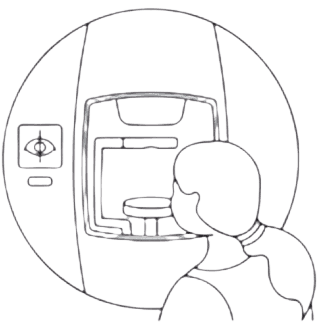
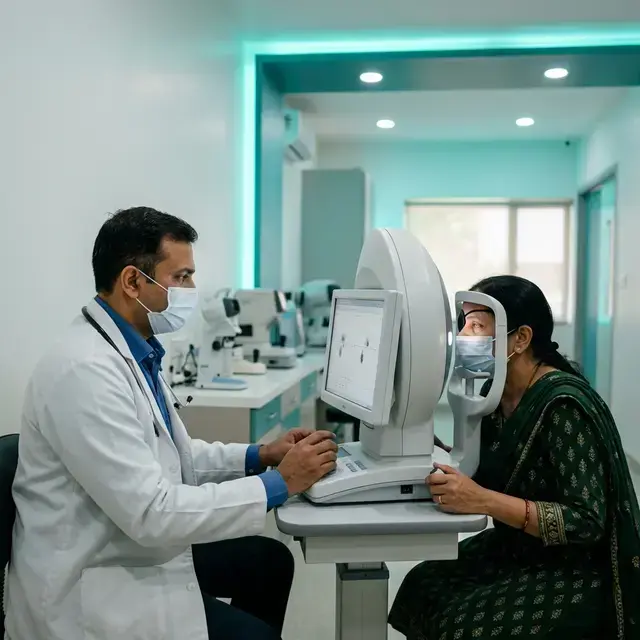
A visual field test can determine if you have blind spots (called scotoma) in your vision and where they are. A scotoma’s size and shape can show how eye disease or a brain disorder is affecting your vision.

Glaucoma and Peripheral Vision

For example, if you have glaucoma, this test helps to show any possible side (peripheral) vision loss from this disease.

Neurological Monitoring

Visual field tests are also useful in monitoring progress in certain neurological conditions such as optic neuropathy, pituitary adenomas and certain sellar lesions.

Visual Field Analysis

Book Consultation

Expert care for Visual Field Analysis by our senior specialists.

Schedule Now

Common FAQs

1. Newborn infants are able to see, but as they use their eyes during the first months of life, vision improves. During early childhood years, the visual system changes quickly, and vision continues to develop. If a child cannot use his or her eyes normally, vision does not develop properly and may even decrease. After the first nine years of life, the visual system is usually fully developed and usually cannot be changed. 2. The development of equal vision in both eyes is necessary for normal vision. Many occupations are not open to people who have good vision in one eye only. If the vision in one eye should be lost later in life from an accident or illness, it is essential that the other eye have normal vision. Without normal vision in at least one eye, a person is visually impaired.
Most paediatricians test vision as part of a child’s medical examination. They may refer a child to an ophthalmologist if there is any sign of an eye condition. The American Academy of Ophthalmology and the American Academy of Paediatrics recommend the first vision screening occur in the hospital as part of a newborn baby’s discharge examination.Visual function (including ocular alignment, etc.) also should be checked by the paediatrician or family physician during routine well-child exams (typically at two, four, and six months of age). Later amblyopia and repeat alignment screenings should take place at three years of age and then yearly after school age. If you suspect your child suffers from decreased vision: 1. Amblyopia (poor vision in an otherwise normal appearing eye), refractive error (nearsightedness or farsightedness), or strabismus (misalignment of the eye in any direction). 2. If there are hereditary factors that might predispose your child to eye disease, please make an appointment with our paediatric ophthalmologist as soon as possible. 3. New techniques make it possible to test vision in infants and young children. 4. If there is a family history of misaligned eyes, childhood cataracts, or a serious eye disease, an ophthalmologist can begin checking your child’s vision at a very early age.
Adults should undergo eye examinations at the following intervals: 1. Individuals aged 18-39 with no vision problems or risk factors should have their eyes examined every 1-2 years. 2. Adults over 40 years old with no additional risk factors should schedule annual eye exams. 3. Patients with underlying health conditions, such as diabetes, hypertension, or other systemic diseases, should undergo eye examinations every six months as they are more at risk of ocular complications. 4. Even individuals with glaucoma or a strong family history of glaucoma need prompt check-ups.

Ready to get started?

Schedule your appointment today and take the first step towards better vision.